
Rooftop Solar
Overview
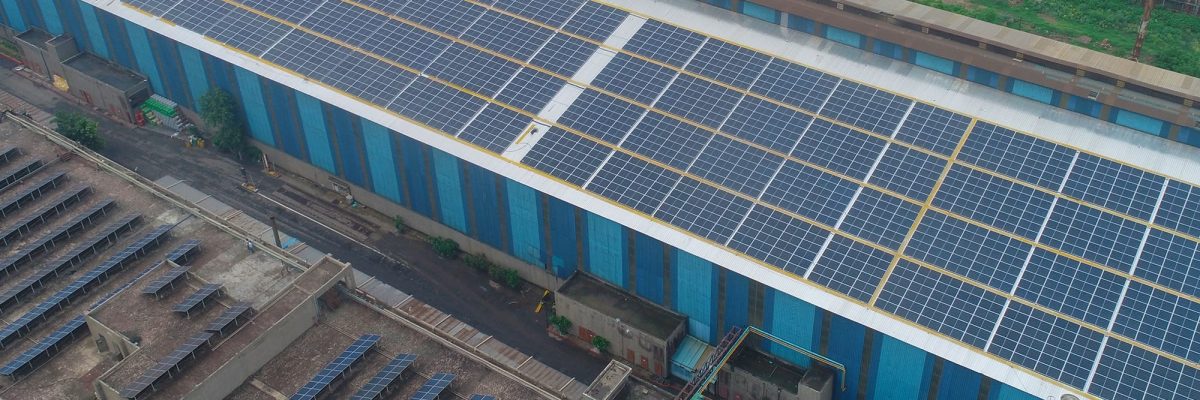
AB Energia delivers turnkey rooftop solar systems engineered to transform idle rooftop areas into high-performance energy assets. Designed specifically for commercial and industrial requirements, these installations strengthen energy security, reduce electricity costs, and lower operational carbon emissions. Through precision engineering, quality components, and end-to-end project management, we ensure maximum generation, superior reliability, and a measurable return on investment.
What You Can Expect
Significant reduction in electricity costs
Tailored system design
Seamless project execution
Advanced technology integration
Dedicated post-installation support
Automated Panel Cleaning
Our Process
From initial feasibility to long-term performance monitoring, our process ensures every rooftop solar deployment is engineered for reliability, safety, and maximum energy impact.
Site Assessment & Energy Analysis
Evaluating load profiles, grid connectivity, solar generation data, and storage requirements.
Custom System Design
Bespoke solutions sized and configured to match your energy needs and integration goals.
Supply, Installation & Integration
Safe, efficient deployment with seamless integration into existing solar and grid infrastructure.
Commissioning & Grid Synchronisation
Rigorous testing, regulatory approvals, and operational training for a smooth go-live.
Ongoing Monitoring & Maintenance
Real-time performance tracking with preventive care to ensure long-term reliability and output.
Highlighted Projects
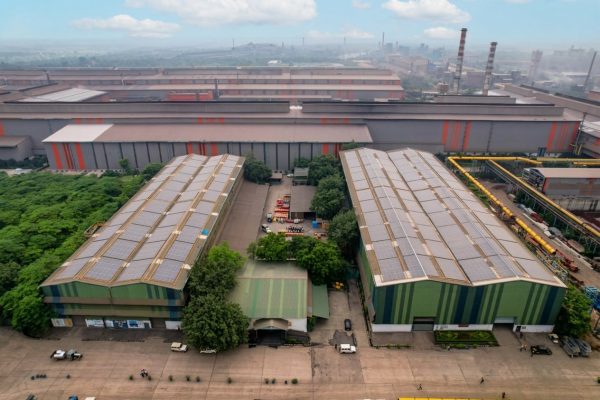
With over 30 MWp of rooftop solar projects delivered across industrial, commercial, hospitality, and institutional facilities, AB Energia has enabled organizations across India to reduce energy costs, lower carbon emissions, and accelerate their transition to clean energy. Notable projects include the 23.14 MWp rooftop solar installation at Jindal Stainless Limited, Odisha, the 3.51 MWp project at Jindal Stainless CRD Unit, Haryana, and rooftop solar installations across multiple Jindal Group facilities.
FAQs
How much can I save with a commercial or industrial rooftop solar system?
Most commercial and industrial clients experience electricity bill savings of 30% to 70% by installing rooftop solar panels. Actual savings depend on your solar system size, your facility’s energy consumption patterns, local sunlight availability, and current utility rates.
Our team can provide a customized solar savings analysis and ROI projection tailored to your specific site and business needs.
What types of roofs are suitable for solar panel installation?
Rooftop solar solutions can be installed on a variety of commercial and industrial roof types, including metal roofs, RCC (reinforced concrete) roofs, and membrane roofing systems. Before installation, we assess the roof’s structural strength, orientation, tilt, and shading to design a solar PV system that is both efficient and safe.
How long does it take to install a rooftop solar system?
Rooftop solar installation timelines vary based on system capacity and site complexity. Most commercial solar projects are completed within 2–4 months depending on capacity, ensuring minimal disruption to your daily operations.
What maintenance is required for rooftop solar panels?
Rooftop solar PV systems require minimal maintenance. Key activities include annual inspections, periodic cleaning of the panels, real-time system monitoring, preventive maintenance, and prompt troubleshooting to ensure optimal performance and longevity.
How much space do I require for a solar plant?
The space required for a solar plant depends on the system’s capacity and the efficiency of the panels. Typically, 1 kW of solar capacity requires about 4–5 square meters of shadow-free area. For example, a 100 kW system would need approximately 400-500 square meters of space.
What is the maximum capacity for net metering?
The maximum capacity for net metering depends on both the client’s energy requirements and the regulations of the local utility company. In India, for instance, residential clients can typically install systems up to 10 kW, while commercial clients may have capacities ranging from 100 kW to 1 MW or more, depending on the state and utility provider. The final system size is determined based on the client’s specific energy needs.