
Floating Solar
Overview
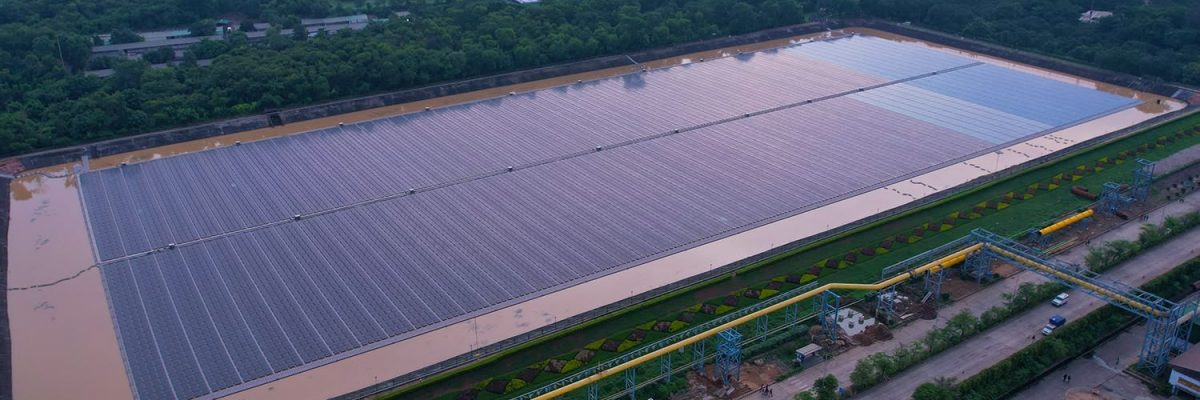
AB Energia specializes in designing, engineering, installing, and maintaining floating solar power plants, also known as floating photovoltaic (FPV) systems on bodies of water such as reservoirs ponds, lake, dams etc. This innovative system involves mounting of PV Modules on buoyant flatforms using anchoring & mooring systems to keep the structure stable.
What You Can Expect
Land Conservation
Ideal for areas with limited land or high land costs, as these systems generate clean energy without consuming valuable ground space
Improved Efficiency
Water's natural cooling effect improves solar panel performance by reducing heat-related energy losses
Water Preservation
Significantly reduces evaporation, helping preserve water resources — a critical advantage for drought-prone regions
Scalable Design
Adaptable to various water bodies, from small ponds and reservoirs to industrial tanks and large-scale dams
Dual Utility
Maximizes the use of underutilized water surfaces, offering renewable energy generation alongside water management
Our Process
From initial assessment to long-term performance monitoring, our process ensures precision, transparency, and peace of mind at every stage of your rooftop solar journey.
Site Assessment & Energy Analysis
Evaluating potential, energy needs, and structural safety.
Custom System Design
Bespoke solar solutions optimized with 3D modeling, anchoring & mooring.
Professional Installation
Safe, efficient execution with minimal operational disruption.
System Commissioning & Grid Connection
Rigorous testing of the system and grid.
Regulatory Compliance
Making sure the project has all the required compliance approvals.
Ongoing Monitoring & Maintenance
Real-time tracking with preventive care for longevity.
Highlighted Projects
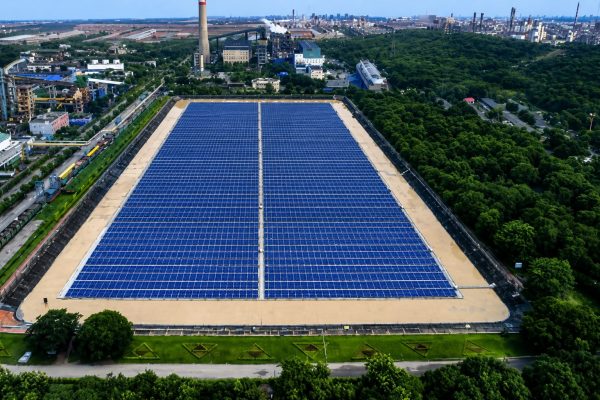
As a leading renewable energy company in India, AB Energia Solutions Pvt. Ltd. pioneers floating solar EPC projects, with a flagship achievement at the Jindal Stainless plant in Jajpur, Odisha. This 7.324 MWp floating solar project, part of Odisha’s largest captive solar initiative, harnesses the surface of industrial water reservoirs to generate carbon neutral energy, reduce evaporation, and support large-scale decarbonization.
FAQs
What is floating solar and how does it work?
Floating solar (FPV – Floating Photovoltaics) involves mounting solar panels on buoyant structures that float on water bodies such as reservoirs, lakes, or industrial ponds. These systems are anchored securely and generate clean electricity while conserving land and water.
What are the advantages of floating solar over ground-mounted solar?
Floating solar offers several benefits over traditional ground-mounted systems. The natural cooling effect of water enhances panel efficiency, allowing the system to generate more energy. It also preserves valuable land, leaving it available for agriculture, development, or forestry. Additionally, floating solar helps conserve water by reducing evaporation from the surface of reservoirs and other water bodies.
What maintenance is required for floating solar plants?
Maintenance of floating solar plants involves regular cleaning of the panels to ensure optimal performance, along with thorough inspection of floats, mooring systems, and electrical connections. Preventive measures are taken to minimize corrosion and control algae growth, while real-time performance monitoring allows for proactive maintenance and rapid response to any issues.
How often should floating solar panels be cleaned?
The cleaning frequency of floating solar panels depends on environmental conditions. In dusty regions, weekly cleaning is recommended, and panels should be cleaned immediately after dust storms. Both manual and automated cleaning methods are employed, with all materials and processes chosen to be water-safe and environmentally friendly.
What are the key design considerations for floating solar?
Effective floating solar design takes multiple factors into account, including local wind speeds, water currents, and fluctuating water levels. Robust anchoring and mooring systems are essential to ensure stability, while designs also incorporate easy maintenance access and minimal environmental impact. Components are selected for their corrosion and UV resistance to ensure long-term durability and reliable performance.
How long do floating solar systems last?
With quality components and proper maintenance, a floating solar installation can last 25–30 years, similar to ground-mounted systems.