
Agriphotovoltaics
Overview
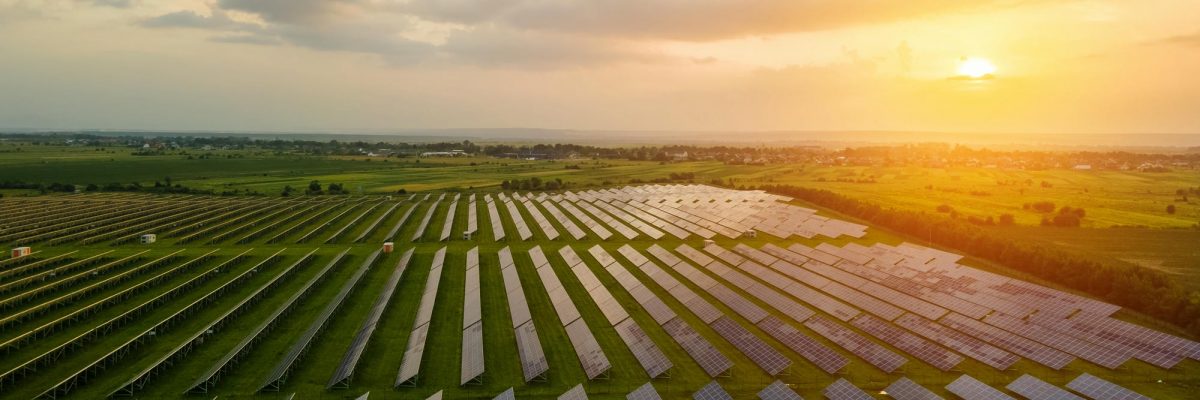
Agrophotovoltaics (Agri PV) solution offers a smart integration of agriculture and solar energy, enabling dual land use that benefits both farmers and the environment. By installing elevated solar panels over farmland, we help preserve agricultural output while generating clean energy — optimizing land use for productivity, sustainability, and profitability
What You Can Expect
Dual Land Use
Generate renewable energy while cultivating crops or grazing livestock.
Farm Resilience
Reduce crop stress, conserve water, and protect against extreme weather.
Additional Income
Benefit from lower energy costs and solar power revenues.
Tailored Designs
Systems customized for specific crops and farm layouts.
Scalable Solutions
Suitable for small farms, large estates, and community projects.
Our Process
From initial assessment to long-term performance monitoring, our process ensures precision, transparency, and peace of mind at every stage of your rooftop solar journey.
Site Assessment & Energy Analysis
Evaluating potential, energy needs, and structural safety.
Custom System Design
Bespoke solar solutions optimized with 3D modeling.
Professional Installation
Safe, efficient execution with minimal operational disruption.
System Commissioning & Grid Connection
Rigorous testing, approvals, and staff training provided.
Ongoing Monitoring & Maintenance
Real-time tracking with preventive care for longevity.
Strategic Applications
Solar-powered irrigation and on-site farm energy.
Dual use land for crops & livestock.
Community solar farms for rural economies.
Climate adaptive farming through shade and water savings.
FAQs
Will solar panels affect crop yields negatively?
No, when properly designed, AgriPV can maintain or even improve crop yields. The partial shading helps reduce heat stress, conserve soil moisture, and protect plants from extreme weather like hail or heavy rain.
What types of crops are suitable for AgriPV systems?
Shade-tolerant crops such as leafy greens (e.g., spinach, lettuce), herbs, root vegetables (e.g., carrots, radish), and some fruits like tomatoes and peppers typically perform well. Crop selection is based on local climate and system design.
Can AgriPV systems be installed on existing farmland?
Yes. Most AgriPV projects can be deployed on current agricultural land without disrupting farming activities, provided site conditions are suitable for dual use.
How do farmers benefit from Agriphotovoltaics?
Farmers gain an additional income source through land leasing, power purchase agreements, or reduced on-farm energy costs. AgriPV also improves climate resilience and reduces long-term operational risks.